




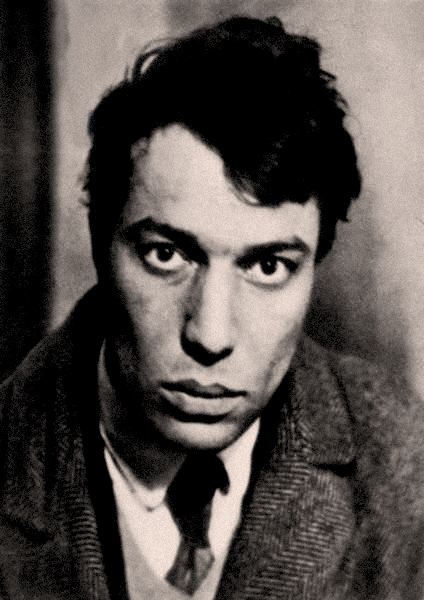
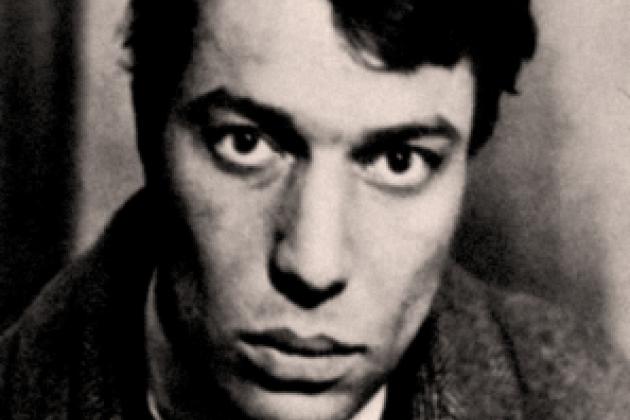
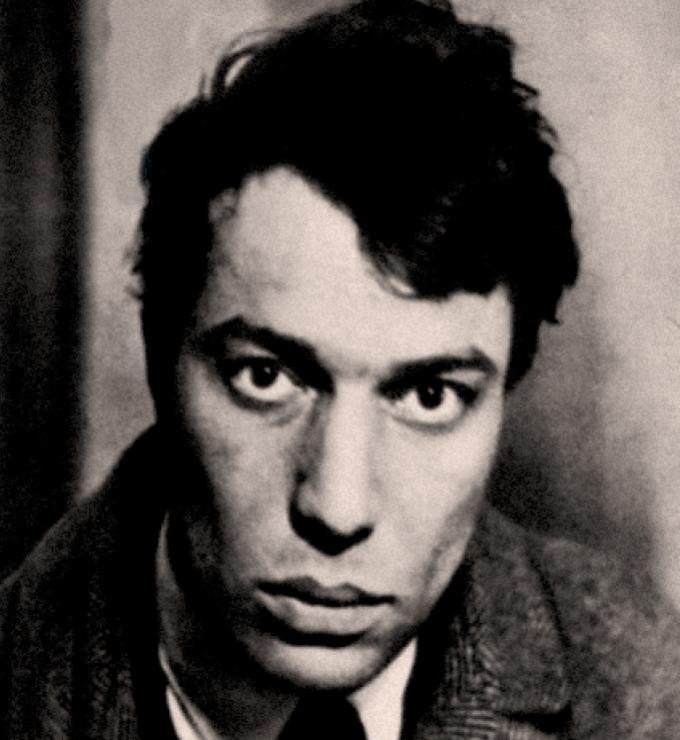
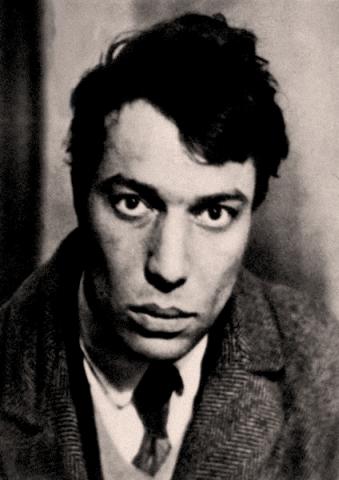
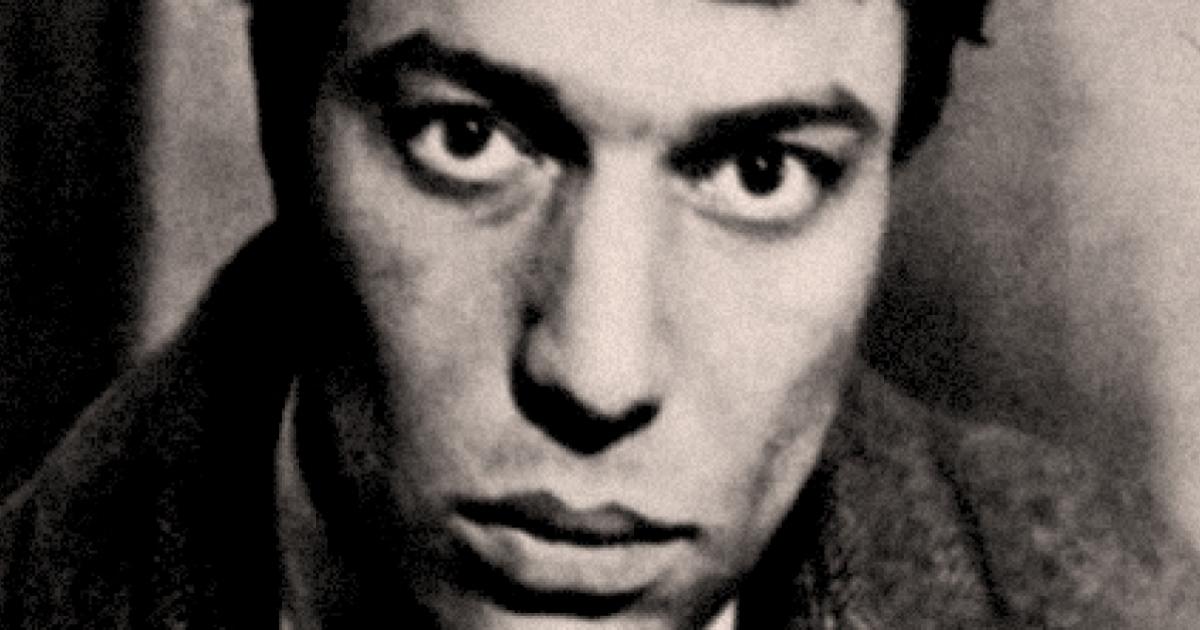
The best known member of the family, Boris Pasternak was offered the Nobel Prize for literature for his novel, Dr. Zhivago, in 1958; but was forced to renounce the prize because of political pressure.
At the core of this exhibit are the many unpublished letters that poet and novelist Boris Pasternak wrote to various family members during the 1920's and 1930s, a collection recently acquired by the Hoover Institution Archives. Portrait: Pasternak in the 1920's Many of the ideas expressed in these letters were later incorporated into passages of Dr. Zhivago. In addition to letters are rare editions of his poetry, so loved that they were copied by hand and passed from friend to friend when publication was difficult; sketchbooks of his father, Leonid Pasternak, the well-known Russian impressionist painter; and other materials from the rich cultural life of Russian émigrés of the period.
Also included are Pasternak books from the collection of Irwin T. and Shirley Holtzman and the Special Collections of Green Library of Stanford University.